
You already know the drill. The app you want isn’t on the Play Store, or the Play Store version is locked down, or the developer pushed the good build to Patreon and the APK link lives in a Discord server. So you toggle on “Unknown sources,” download the file, and install it yourself. For a lot of people in this community, sideloading isn’t a workaround. It’s just how you get software.
Florida sports bettors have been running the same playbook for years, just with sportsbook apps instead of visual novels.
The Sunshine State has one of the most restricted betting markets in the country. Hard Rock Bet holds an effective monopoly under the Seminole Tribe’s compact, and until HB 189 moved through Tallahassee in June 2026, the legal pathway for any competitor app was essentially closed. That sent millions of Florida bettors hunting for offshore platforms, downloading APKs from betting sites that have zero UKGC or MGA oversight and no accountability if your withdrawal gets frozen. For Florida bettors trying to separate the licensed from the legally murky, a current breakdown of the best betting apps in Florida does most of that homework for you.
The Shadow Market Is a Familiar Shape
Here’s the thing about grey-market software: the behaviour pattern is basically identical whether you’re chasing a Patreon-exclusive APK or a DraftKings workaround.
You need something the official channel won’t give you. You find a third-party source. You assess the risk, decide it’s probably fine, and you install. Most of the time, nothing bad happens. But “most of the time” is doing a lot of heavy lifting in that sentence.
Android Authority ran a deep piece in late 2025 examining whether the Play Store itself poses as much risk as sideloading. The short answer is that both channels have real threat vectors, but sideloaded apps sit outside the real-time Play Protect scanning that catches permission abuse before it reaches your device. For a game APK, that risk profile is one thing. For a sportsbook app with your payment details, KYC documents, and withdrawal credentials loaded in? The stakes are different.
Offshore betting APKs have been caught doing exactly what the security researchers describe: abusing accessibility permissions, intercepting one-time passwords, and harvesting payment data. A guy I know in the affiliate space lost access to a £340 account balance because he’d installed an unverified Bet365 clone APK he found on a Telegram channel. The app looked identical to the real thing. The withdrawal button just never worked.
What HB 189 Actually Changed (And What It Didn’t)
The June 2026 overhaul was real progress. HB 189 targeted shadow gambling operations directly, tightened the definition of illegal online betting, and created a clearer framework for operators looking to enter Florida outside the Seminole compact structure.
But the monopoly held.
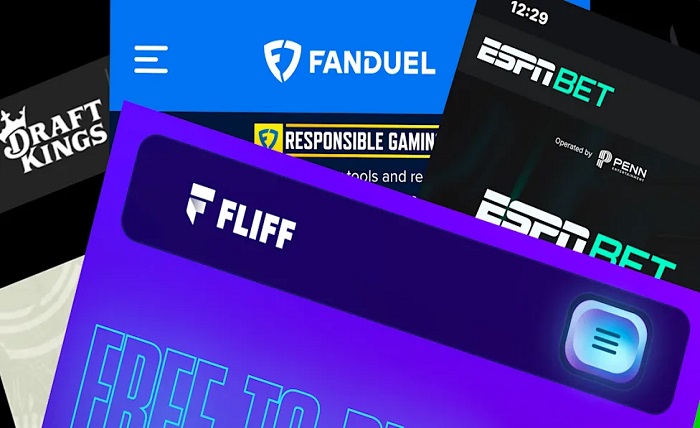
Hard Rock Bet is still the only fully licensed sportsbook running a native Florida app. Every other operator. FanDuel, DraftKings, BetMGM, ESPN Bet. Is either operating under a geofencing workaround, leaning on DFS products, or waiting to see whether the Protect the Constitution LLC lawsuit survives its next hearing. That case argues that expanding online sports betting requires a voter referendum under Florida’s 2018 constitutional amendment. Florida courts have not settled it cleanly, and as of July 2026 the state is still seeking dismissal.
For bettors, the practical result is the same one APK users know well: the official channel doesn’t fully serve you, so you start looking sideways.
Why the Risk-Reward Maths Have Shifted
This is where the sideloading comparison becomes instructive rather than just descriptive.
When there’s no good official option, sideloading makes sense. The risk is real but bounded, and the benefit is the thing you actually want. That logic held for Florida bettors in 2020, 2021, and most of 2022. The legal app landscape was barren, offshore platforms were the only game in town, and the odds on BetOnline or Bovada were genuinely competitive.
2026 looks different. The regulated options have improved. Hard Rock Bet has upgraded its interface significantly since the clunky 2023 launch. Withdrawal speeds are now consistently under four hours for e-wallet users, and the parlay builder is actually usable. The slot-style race-betting products they launched in late 2025, powered by historical motor race data, scratch an itch that’s closer to RNG gaming than traditional sports betting. For someone who came up on simulation games, that product design will feel familiar.
More importantly, CBS Sports has confirmed that as of mid-2026, operators including FanDuel and DraftKings are running state-by-state legal frameworks that allow Florida residents to place wagers in specific conditions. Primarily through DFS structures or when physically crossing into a jurisdiction where the app is fully licensed.
The offshore APK option, by contrast, now carries more risk than it did four years ago. Google’s developer-verification push has made it harder for legitimate sideloading workflows to remain clean. The malware surface has grown. And the payment rails on grey-market sportsbooks have gotten shakier as payment processors have started blocking more of them.
The calculus has flipped. It used to be: legal options are bad, offshore is the only real choice, accept the risk. Now it’s: legal options have improved, offshore risk has increased, and the gap between them has closed enough that the shadow market isn’t obviously worth it.
What to Actually Look For
If you’re a Florida bettor doing your own due diligence, the criteria aren’t complicated. They’re just the same criteria you’d apply to any APK you’re deciding whether to install.
Provenance. Where does the app come from? Is the operator licensed somewhere that matters. MGA, UKGC, a US state gaming commission? An offshore platform registered in Curaçao with no US-facing regulatory contact isn’t inherently a scam, but your recourse when a withdrawal gets flagged is essentially nothing.
Withdrawal behaviour. Test it small before you commit meaningful money. A £20 or $20 withdrawal will tell you more about a platform than any review. If it clears in under two hours through an e-wallet, that’s a real signal. If it takes four days and requires you to email support, treat that as a warning.
Permission footprint. This applies to sportsbook apps exactly as it does to APKs. An app asking for contacts, microphone access, or SMS reading permissions during a betting workflow has no legitimate reason for those asks. Revoke them or uninstall.
Account verification timing. KYC is annoying but it’s actually a trust signal. A platform that verifies your identity before your first withdrawal is protecting you as much as itself. An offshore app that skips KYC entirely and lets you deposit freely is one that can freeze your funds without any paper trail.
The Bigger Point
The culture around APK sideloading is built on a reasonable principle: people should be able to choose their own software, and official channels sometimes fail their users. That’s a defensible position. But the skill that makes sideloading worthwhile isn’t the willingness to bypass restrictions. It’s the ability to evaluate risk accurately.
Florida’s betting landscape in July 2026 is genuinely complicated. The legal framework is mid-transition, the monopoly is still real, and the offshore grey market hasn’t disappeared. But the tools to navigate it clearly exist now in a way they didn’t two years ago.
If you’ve spent any time evaluating which APKs are worth the install and which ones are obvious traps, you already have the instinct for this. Apply it.
FAQ
Is sports betting legal in Florida right now? As of July 2026, Hard Rock Bet operates as Florida’s only fully licensed sportsbook under the Seminole Tribe’s compact. HB 189 overhauled shadow gambling enforcement in June 2026, but the single-operator structure remains in place while legal challenges to broader licensing are still active in state courts.
Are offshore betting apps safe to use in Florida? They’re unregulated and carry real risk. Apps from Curaçao-registered operators offer no US-facing consumer protection, and several unofficial sportsbook APKs have been flagged for harvesting payment credentials. Your withdrawal has no guaranteed legal recourse if the platform freezes it.
What changed with HB 189 in June 2026? HB 189 tightened enforcement against shadow gambling operations and clarified definitions around illegal online betting. It didn’t open the market to new licensed competitors. The Seminole compact’s exclusivity clause held, and the voter-approval lawsuit is still unresolved.
Why do Florida bettors use sideloaded APKs? Because the licensed app landscape has historically been limited to a single operator. DraftKings, FanDuel, and BetMGM are not natively licensed in Florida, pushing bettors toward offshore platforms whose apps are distributed outside official app stores. The same sideloading behaviour common in other grey-market software ecosystems.
What’s the safest way to bet on sports as a Florida resident? Use Hard Rock Bet for fully licensed access, or verify that any alternative platform holds a valid licence from a recognised authority before depositing. Test withdrawals with small amounts first. Avoid any app that requests unnecessary device permissions or skips identity verification entirely.
Florida’s sports betting market is still finding its shape. The regulatory picture will look different again in twelve months, depending on how the courts handle the voter-approval question and whether HB 189 creates enough clarity for new operators to push for licensing. For now, the smartest move is the same one that serves you well in any grey-market software decision: know exactly what you’re installing, know who built it, and know what happens to your money if something goes wrong.
Gambling involves risk. Please play responsibly and only wager what you can afford to lose. If you feel gambling is becoming a problem, visit BeGambleAware.org or call 1-800-GAMBLER.